Most people meet the food supply chain in aisle seven, right between the pasta sauce and the questionable snack choices.
Long before dinner hits the table, a whole lot happens behind the scenes in Columbus County and the broader Columbus region. Farms. Trucks. Warehouses. Processing plants. Sanitation crews working when everyone else clocks out.
It’s not glamorous. But it’s essential. Below, we’ll look at what keeps food moving here and why it matters more than most people realize.
A Supply Chain That Rarely Sleeps
Food supply doesn’t get days off. Neither does the system behind it.
Columbus sits in a strategically important logistics corridor, making it a natural hub for moving goods fast. The region’s transportation infrastructure connects producers, processors, and distributors with speed that many markets envy.
That logistics advantage plays a major role in keeping shelves stocked and deliveries on time. When trucks run on time, everything downstream works better. When they don’t, chaos ensues.
Food and Beverage: A Quiet Economic Engine
The food and beverage sector is one of the Columbus region’s most reliable economic drivers. It supports manufacturing jobs, attracts investment, and anchors long-term growth.
Local facilities handle everything from processing and packaging to storage and distribution. These operations don’t feed people. They fuel the regional economy.
And no, it’s not about scale. It’s about consistency.
A Stress-Tested Supply Chain
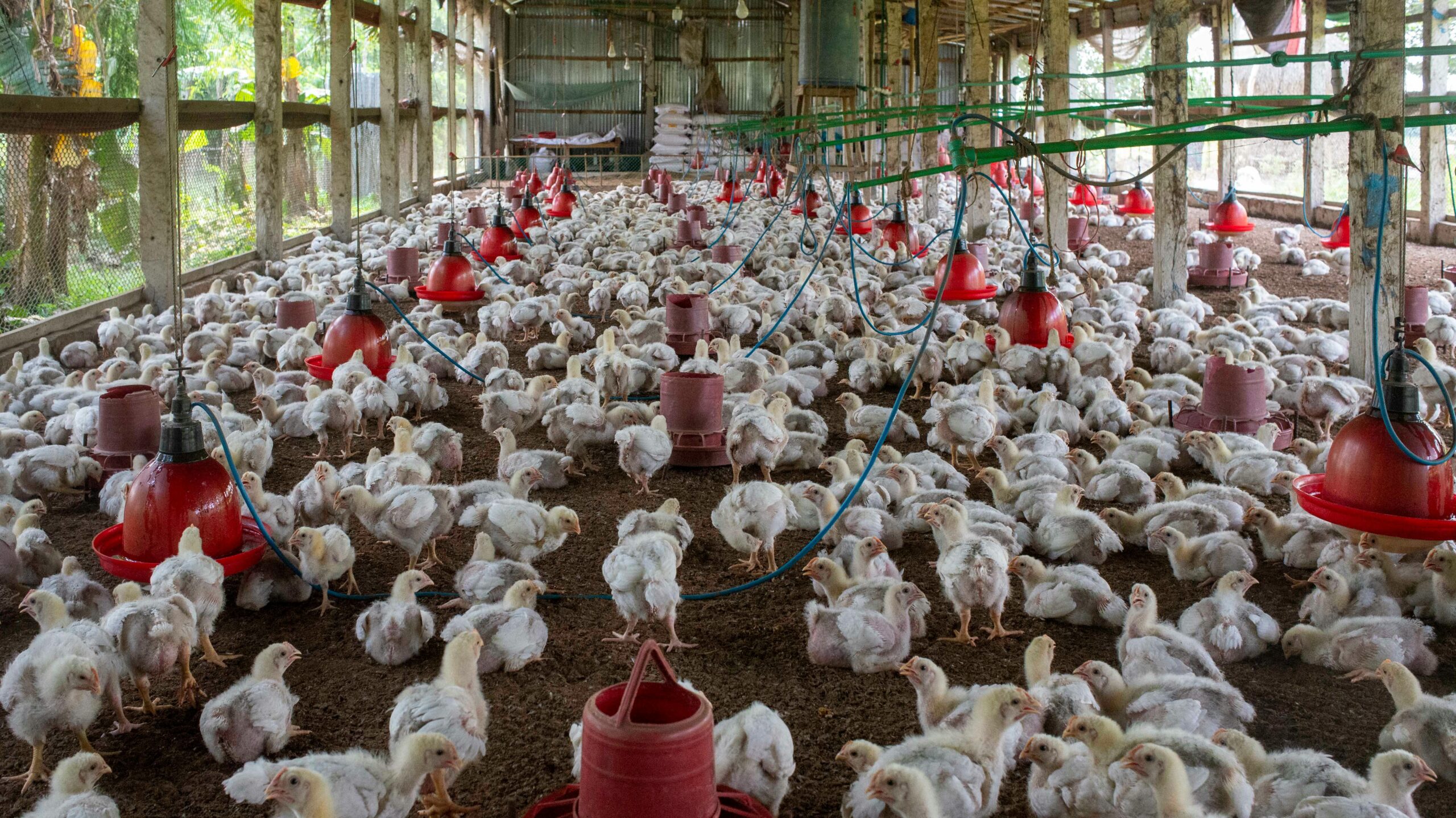
If the food supply chain had a stress test, COVID-19 was it.
Labor shortages. Transportation delays. Demand spikes that made zero sense. Yet the system held together better than most expected.
The Ohio Farm Bureau claimed that collaboration across farms, processors, and distributors helped keep food moving during the pandemic.
Flexibility mattered. Communication mattered more. It wasn’t perfect. But it worked.
Sanitation: The Part Nobody Sees
This is where things get clinical in the food industry.
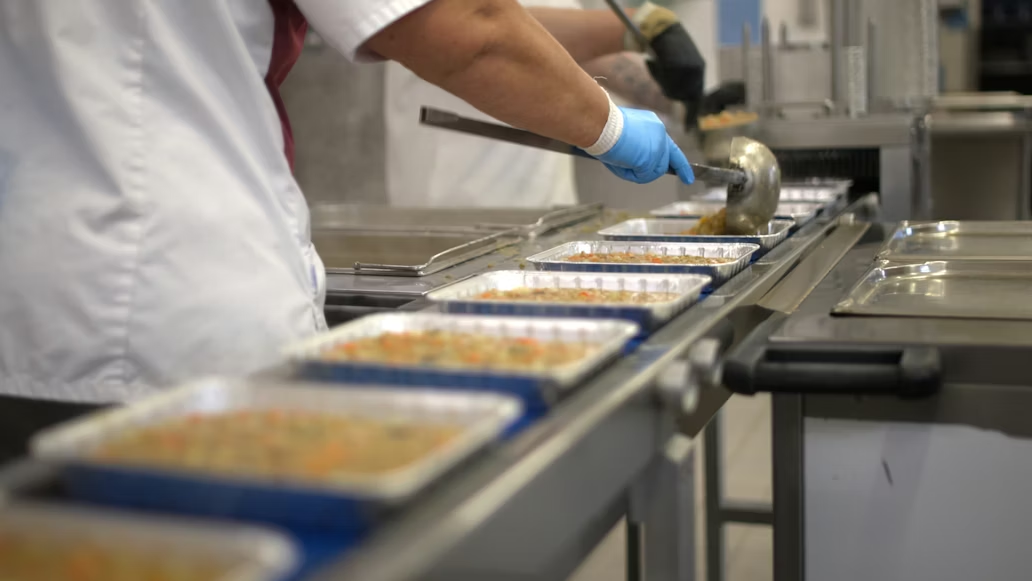
Food plant sanitation relies on strict hygiene systems to keep operations compliant with food safety standards. We’re talking about structured cleaning schedules, equipment sanitation, and contamination control that runs like clockwork.
Proper sanitation strategies are vital for safe, regulated food processing plants. Without them, Food Plant Safety says that production stops. And when production stops, supply chains feel it immediately.
No sanitation. No food. No second chances.
Sanitation Is a Business Issue, Not a Safety One
Poor sanitation not only risks public health but also endangers contracts, timelines, and reputations.
Plants that stay inspection-ready move faster and lose less time to shutdowns or rework. That reliability ripples outward through the supply chain, keeping deliveries predictable and partners confident.
Not flashy. Yet incredibly effective.
Politics, Pressure, and the Midwest Supply Chain
Food supply chains don’t operate in a vacuum. Policy decisions, trade shifts, and labor dynamics all play a part.
A Reuters investigation into economic and political changes across Ohio highlights how manufacturing regions feel national policy shifts first and the hardest.
Food and agriculture businesses must adapt fast or fall behind. There’s rarely a middle ground.
Waste Is the Villain
Food loss and waste don’t usually make headlines. They should.
According to the U.S. Department of Agriculture, Americans throw away between 30 and 40% of their food. Thanksgiving is the biggest day of the year for food waste, when approximately 200 million pounds of turkey meat is tossed.
Cities across the U.S. are raising awareness around food waste and pushing for smarter systems that reduce loss before food even reaches consumers.
Every spoiled shipment is lost revenue. Every missed opportunity adds strain. Forget speed; efficiency should be about stewardship.
Education Is Part of the Chain
Strong food systems don’t appear by accident. They are taught.
Programs that connect agriculture, education, and local communities help build future-ready supply chains. Initiatives like Farmwise Indiana display how partnerships strengthen food networks and awareness across regions.
Knowledge keeps the chain alive. Ignorance breaks it fast.
What’s It Really Like Behind the Scenes?
We can tell you now that it’s not just trucks and warehouses. It’s planning. Sanitation. Logistics. People doing uncelebrated work very well.
A sanitary food processing plant and proper equipment are only part of standard operating procedures in getting food products to you on time and intact. Columbus County’s food supply chain doesn’t rely on hype. It runs on systems, discipline, and a lot of behind-the-scenes effort most consumers never see.
And that’s exactly why it works. Because when food arrives safely, on time, and ready to eat, nobody notices the process. Which, ironically, means the food supply chain did its job perfectly.
The next time you find yourself in aisle seven, think about the product safety and regulatory requirements your food had to go through before dinner is served.
(Contributed Content)