

By Michael Myrie
The Sheepdog Foundation Inc.
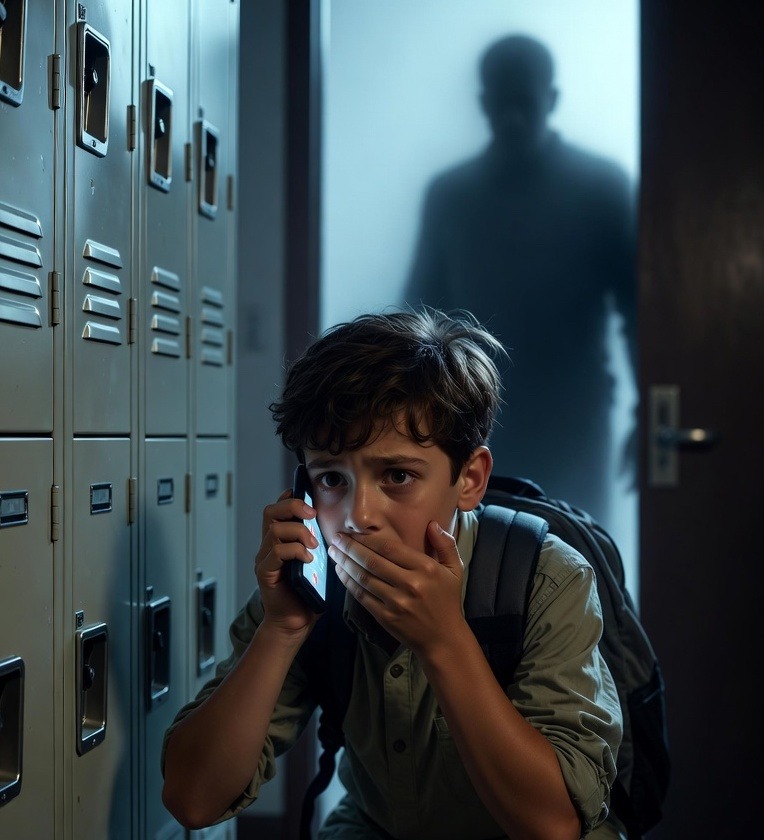
Many families are concerned about the rise in crime in our communities and public schools. From mass assailants to peer violence, the safety of our children seems to be at greater risk. Many families are turning to alternative learning environments where they feel they have more control over what their child is exposed to daily.
Unfortunately, some of these alternatives still come with a caveat. The environment may change, but the potential for danger remains very real. Children are still considered a soft target to those bent on causing maximum physical and emotional damage. These alternate environments remain poorly protected, and the children remain unprepared for unexpected events. The extent of training remains very limited for children across all learning environments, regardless of location, leaving them more vulnerable.
Our children practice fire drills and lockdown procedures regularly to improve safety and responsiveness.
Granted, this will improve how a child responds in an emergency, but only if the emergency plays out exactly as practiced in a controlled environment. We must not only teach a child what to do but also how to think and adapt while doing it. The what-ifs must be covered as well. Learning how to improvise and adapt is vital for everyone nowadays.
Simple evasion and escape techniques relevant to the environment the child frequents can greatly increase the likelihood of a positive outcome during an emergency. Hunkering down in a corner and waiting for an all-clear may increase vulnerability. Knowing what to look for, how to create, and seize an opportunity of escape should be included in routine practice drills.
In our youth development program at the Sheepdog Foundation, we teach more than just life skills. We also focus on “LIVE” skills.
We expose our youth to critical thinking skills and self-preservation. For example, many adults have never explained the difference between cover and concealment to a school-aged child who faces an unthinkable threat daily. Evasion and escape are critical not only in a learning institution but also in everyday life.
Teaching a child martial arts is helpful, and a junior black belt is a great image; however, the reality is that there is a significant disparity in force between an adult and a young child. Layering your child’s personal protection tools has proven more effective in achieving positive outcomes during emergency responses. Teaching your child how to call 911 effectively, calmly and concisely, and to follow the directions of emergency personnel can make an immense difference in responses to critical situations.
We clearly understand there is no magic technique or superpower; however, there is consistent training and preparedness. We, as parents and adults, want to protect our children at all costs, but we cannot give them a false sense of security to fall back on. Children are innately wise and very capable. Preparing and teaching them how to think and help themselves when you are absent is one of the greatest investments you can make in your child.
–Sheepdog Foundation Inc.