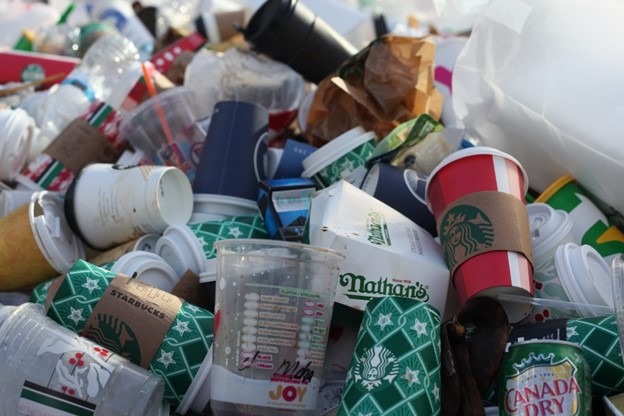
Everyone has their fair share in polluting the world. The reason is that we have become accustomed to accepting widely oversized and over-materialized design, in the name of luxury and class. Though consumers have realized the destruction it causes.
According to the Lancet Planetary Health study, one chemical alone, BPA present in plastic, leads to grave consequences; almost 5.5 million cases of heart disease and 346,000 cases of stroke were registered in 2015, killing nearly 237,000 and 194,000 people.
And who was to blame? No one, except for the frequent use of plastic by businesses and brands. But can we stop this? The answer is yes, brands can save the planet by using four steps. Read on!
Can Plastic-Free Packaging Affect Product Worth?
Plastic has lost its allure since consumers have grown aware of the health and environmental challenges associated with it. And here’s what consumers think about plastic-free packaging:
- 37% consumers from North America and 42% of European consumers have abandoned a purchase due to concerns about unsustainable packaging.
- Brands are increasingly seeing perceived value, as 80% of consumers view paperboard, kraft, and cardboard packaging as higher quality, premium feel, and, of course, sustainability, compared to plastic packaging.
- On the other hand, 82% consumers are willing to pay more for a product with eco-friendly packaging, and not to mention the minimalist and less designed packaging that 61% shoppers find alluring and more trustworthy.
And this is why top Brands have changed their packaging approach to connect with consumers, even Coca-Cola is investing in plant-based bottles for their beverages. Thanks to modern technology, there are packaging options with the same properties as plastic, with no plastic, such as personalized pillow boxes for special occasions made from heavy-duty kraft paper. So what’s your excuse?
Policy Packaging of Australia in Concern of Plastic Crisis That Helps in Bespoke Branding
The Australian government has set a target to reduce plastic emissions to 62-70% below 2005 levels by 2035. New targets were established to help people meet the sustainable pathway to reduce their carbon footprint by reducing plastic in product packaging. These goals have four targets, which are now widely adopted by most brands, resulting in efforts to save the planet and to wean their brands off plastic. Have a Look at 4 targets:
Replace Plastic
Can we make plastic vanish from the planet? Absolutely not, plastic is indeed a necessity of life, but surely we can replace it with better alternatives. And this does not mean going straight for glass, stainless steel, or aluminum, as these materials can also impact the environment gravely when combined with beneficial and problematic stuff like PHA and PLA, which is troubling. And you don’t want your consumers to think they are being played for fools.
What consumers appreciate is when a brand carefully and tactically replaces plastic with better and more sustainable packaging. For example, if you are giving shipping service, it’s better to wrap your product in plant-fibre-based materials, which are reusable for up to 12 months. Still, when not in use, they can easily be home composted within 200 days, leaving no traces of microplastics.
Remove Single-Use Plastic
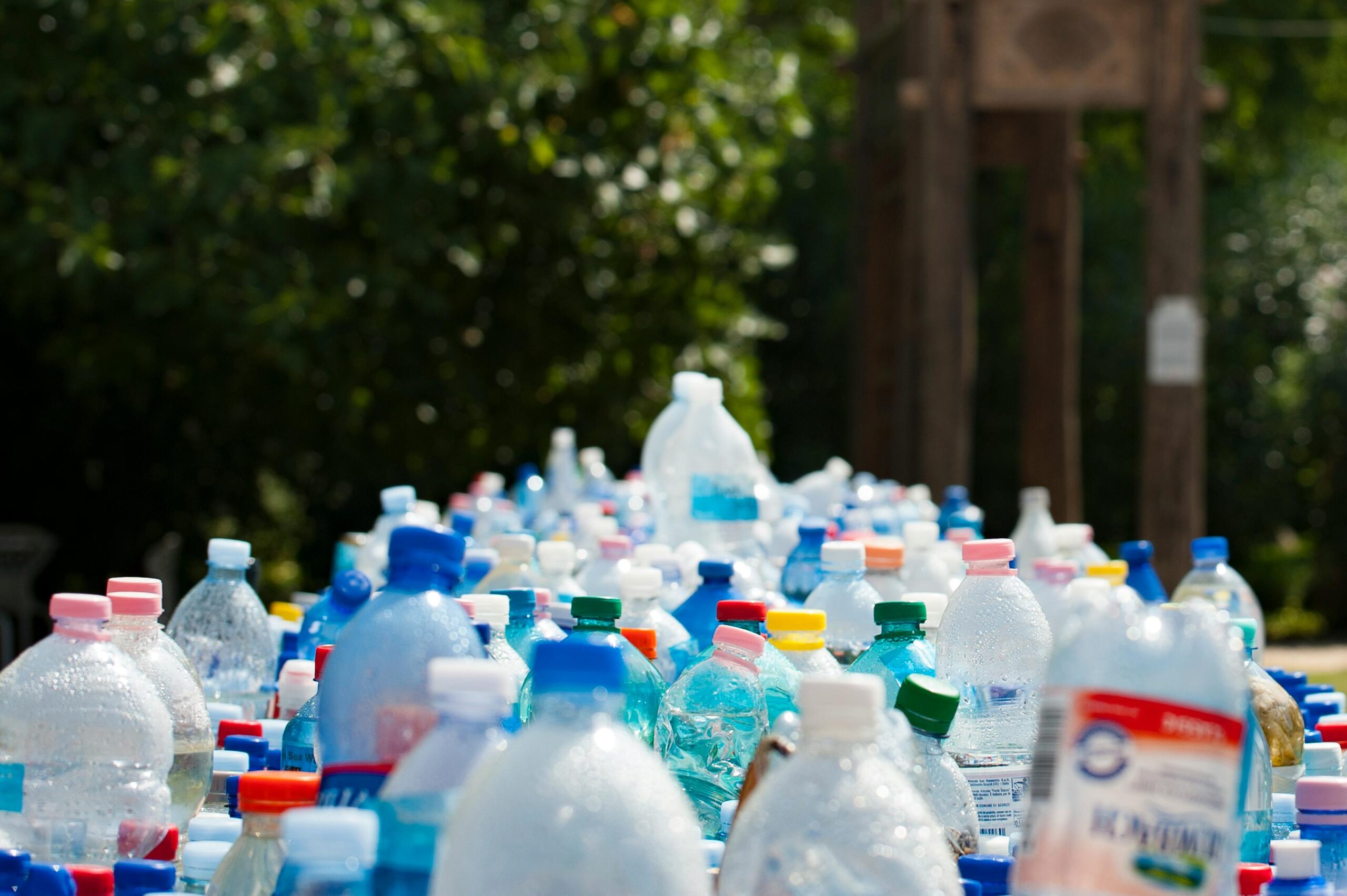
The most prevalent plastic you will see in your surroundings is almost every time in the shape of drinking bottles, plastic caps, lids, grocery bags, and many more. These plastics are not recyclable, and instead of breaking down naturally, they break into tiny pieces of microplastic, and you know the disease that’s coming.
Therefore, brands can make a significant contribution by opting for six alternatives to plastics that are highly decomposable and recyclable. Which are:
- Glass
- Wood
- Stainless steel
- Bamboo
- Silicon
- Cloth Bags
Recycle
This option is the bare minimum when it comes to eco-branding. By manufacturing plastic with the highest possible content of PCR, it must be a polymer type that can be easily recycled. If you are worried about the cost, then be assured that recyclable plastic is as cost-effective as regular plastic. But the benefits it offers will outweigh all the costs.
However, here’s the key consideration: recyclable plastic may help save energy and divert waste from landfills and oceans. But it’s still not a complete solution for “plastic-free packaging”, as most plastics aren’t recycled (around 9%), which degrades quality.
The food industry is the most problematic space, where consumers don’t get much involved in packaging, which results in plastics being discarded in landfills without recycling, which hurts business integrity and the environment. So the matter is in the brand’s hands to keep consumers’ hands off plastic. How? By wrapping your food in Kraft, cardboard, and mylar bags, which are compostable.
Reduce
Of course, it is understandable that plastic is the only option left because of some liquid items. But we still left one solution. Yes, by reducing the size. And the good news? Everyone is already doing it because it’s beneficial to maintain sustainability and keep eco-conscious consumers connected. However, it’s a small step, but when many brands take these steps, we can save our planet.
Brands like Amazon, Asos, and Coca-Cola have reduced the size, which also results in lightweight shipping. It’s indeed a win-win for the brand trying to stand out, attract consumers, and save the planet.
Final Verdicts
It takes 1000 years for plastic to decompose. Every plastic you throw in the landscape is still here intact or somewhere on Earth. Plastic affects every part of the planet and every living thing in the world, from the top of Mount Everest to the deepest part of the Pacific Ocean. It may seem small to ordinary people, but a business owner ain’t ordinary. Your brand’s small steps can save lives, whether it’s the ocean, plants or humans. And now you have acknowledged the behavior of modern shoppers, their desire for environmental safety, packaging policies, and what other brands are doing to stand out from the crowd. It’s really clear that your brand should stay away from plastic and opt for plant-based materials.
(Contributed Content)