A specialized foam truck from Columbus County was used to help prevent Wednesday’s military aircraft crash in Bladen from becoming a major forest fire.
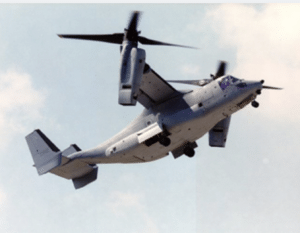
Acme-Delco-Riegelwood Fire and Rescue deployed the apparatus to the crash of a U.S. Marine Corps Osprey in Bladen Lakes State Forest. The USMC tilt rotor aircraft had a fire inflight and made an emergency landing in the N.C. Forest Service training area during a military exercise. The crash was located off Sweet Home Church Road.
More than 6,000 pounds of highly volatile aviation fuel was onboard the Osprey when it crashed, ADR Chief Steve Camlin said in a social media post. Fire and Forest Service officials were concerned the fuel would leak and ignite a wildfire in the forest.
“Getting supplied by long lays of hose from support engines to the Dublin (VFD) four-wheel-drive engine, we successfully brought the fire under control,” Camlin said in the post.
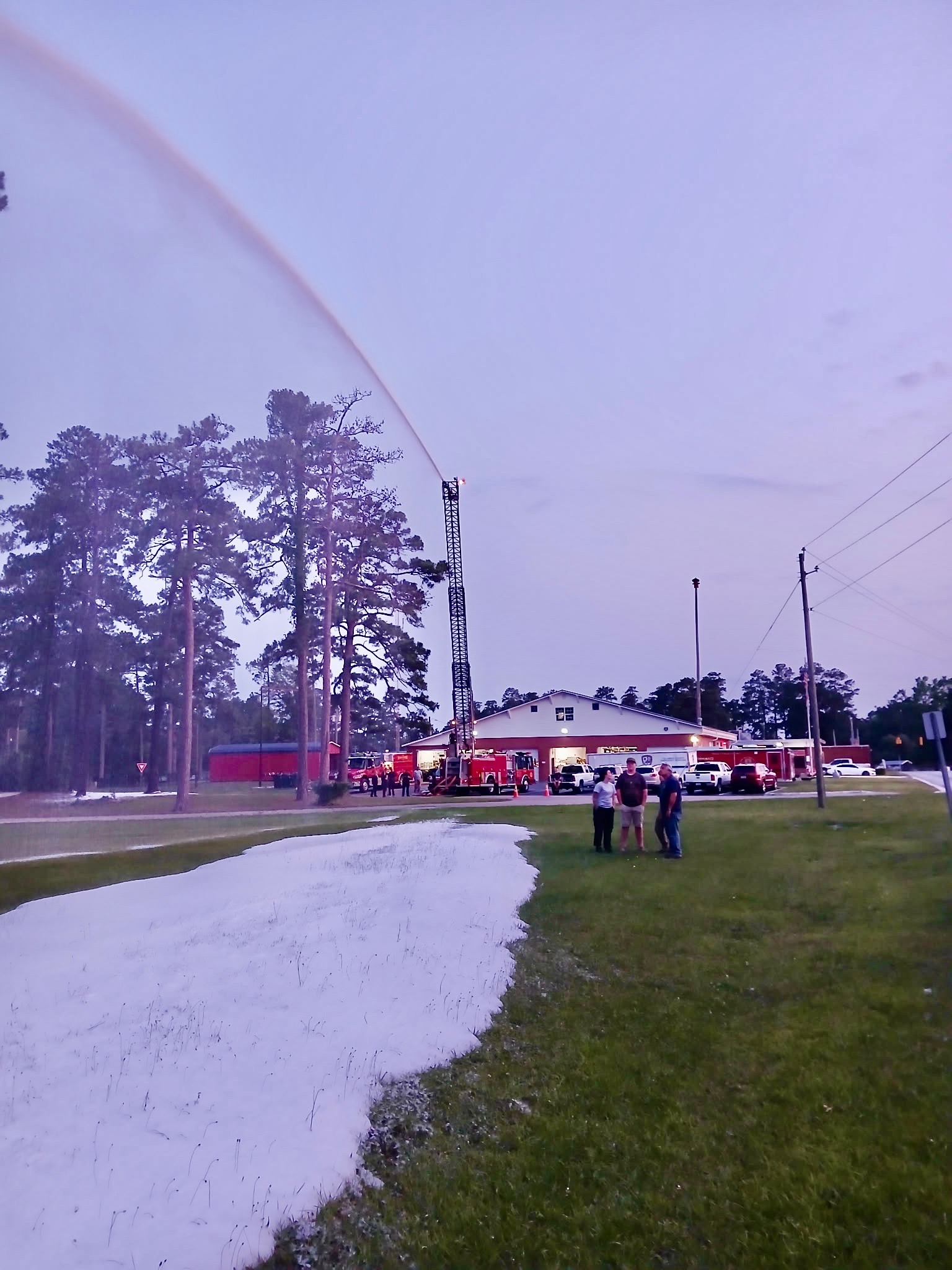
ADR used 280 gallons of a new, PFAs free foam distributed by an automated sprayer designed to protect firefighters from unnecessary exposure to chemical and fuel fires. After military and civilian fire officials knocked down several remaining hotspots, ADR was released from the scene.
Bladen County will reimburse Columbus for the foam product, Camlin said.
Agencies responding to the fire included firefighters from Elizabethtown, Ammon, Tar Heel, White Lake, Kelly, Bladenboro, Bay Tree, and ADR, along with Bladen EMS, Bladen County Fire Marshall, N.C. Highway Patrol, Bladen Sheriff’s Office, N.C. Forest Service, and emergency personnel from MCAS New River.
ADR obtained the foam system at the urging of several of the department’s original members, including the late Alton “Super Chief” Edwards. The foam system has been upgraded in recent years, and deployed on a number of mutual aid calls throughout the area as well as fires and tanker wrecks in ADR’s service area.
The Osprey is a specialized vertical/short takeoff landing (VSTOL) aircraft that can tilt its wings to perform like a helicopter. Ospreys are designed to fill a gap between helicopters and fixed wing airplanes, and can be used in undeveloped landing areas in war zones.