Columbus County and the Residents Who Fought on D-Day
By Ron England
Veterans Memorial Park Board of Directors
On June 6, 1944 – forever remembered as D-Day – American forces joined Allied troops in the largest amphibious invasion in history, launching the assault on Nazi-occupied Europe along the beaches of Normandy, France.
Among the thousands of young Americans who stormed those beaches, parachuted behind enemy lines, and supported the invasion from sea and air were men from Columbus County. Though many of their names are preserved primarily in family records, local memorials, and community memory, their contributions were part of a defining moment that helped change the course of World War II.
Columbus County residents who fought on D-Day came from farming communities, mill towns, and small rural crossroads. Like much of Southeastern North Carolina, the county answered the call to service in large numbers following the attack on Pearl Harbor. Local draft boards and enlistment offices sent sons of Columbus County into nearly every branch of the military, including the Army, Navy, Marine Corps, Army Air Forces, and Coast Guard. By 1944, many had already endured years of training and combat in North Africa, Italy, or England, where they prepared for the invasion of Western Europe.
On D-Day itself, Columbus County service members participated in the invasion in multiple roles. Infantrymen landed on beaches such as Omaha and Utah, facing intense enemy fire as they fought to establish a foothold on French soil. Others served as paratroopers in airborne divisions, dropping into Normandy under darkness in the early hours of June 6 to disrupt German defenses, secure key bridges, and cut supply routes. Sailors and Coast Guardsmen from the county crewed landing craft and naval vessels, guiding troops ashore under dangerous conditions, while airmen flew bombing and transport missions that supported the invasion from above.
The cost of D-Day was immense. Thousands of Allied soldiers were killed or wounded within hours, and Columbus County families anxiously awaited news from across the Atlantic. Some residents never returned home, while others carried lifelong physical and emotional scars from the experience. For those who survived, D-Day became a defining moment—one that symbolized both the horrors of war and the determination required to defeat tyranny.
When the war ended, D-Day veterans from Columbus County returned to rebuild their lives and communities. Many used GI Bill benefits to pursue education, buy homes, and start businesses, contributing to postwar economic growth throughout the county. Others became community leaders, farmers, tradesmen, and civic volunteers, rarely speaking of their wartime experiences but living lives shaped by discipline, sacrifice, and service.
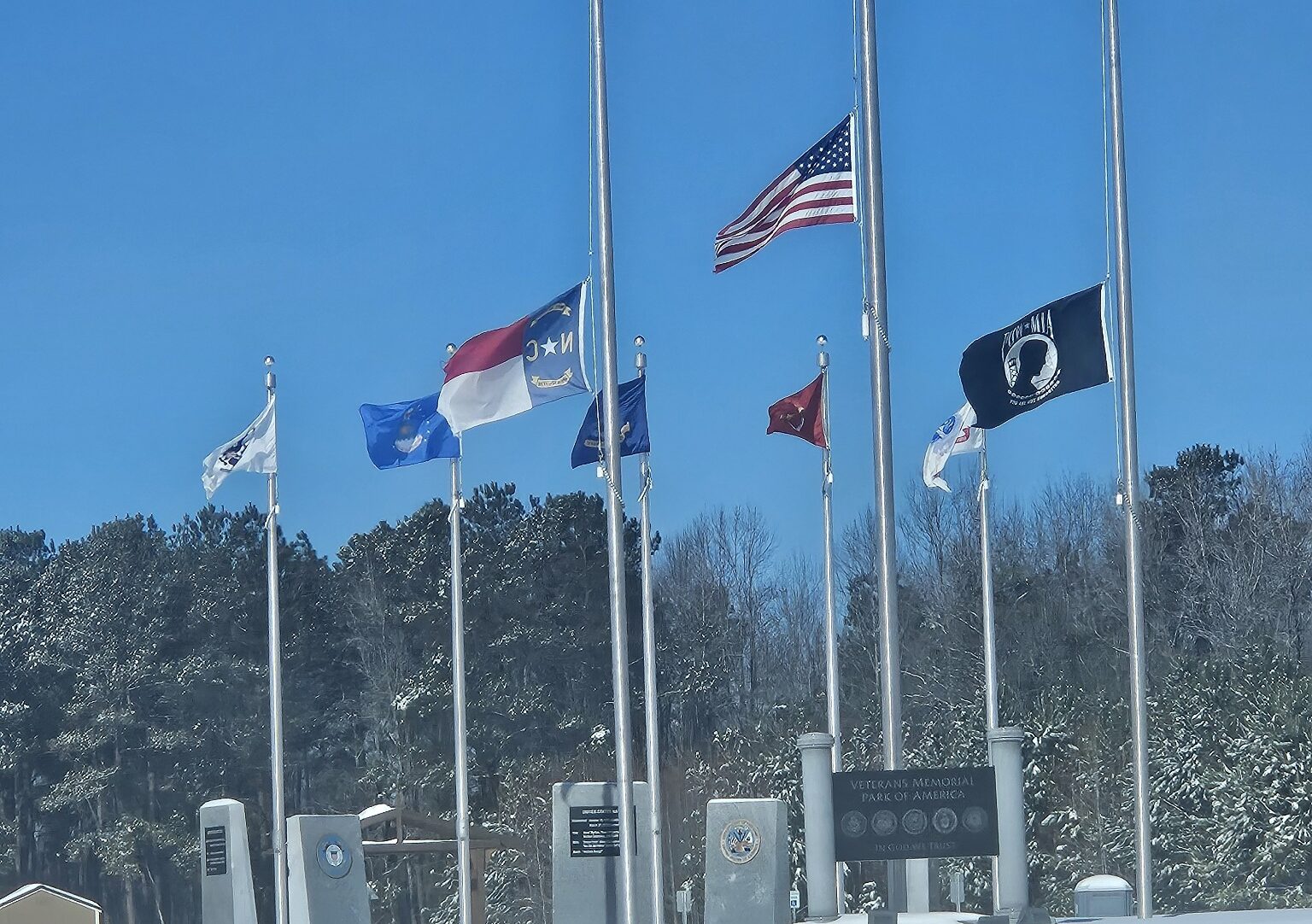
Today, the legacy of Columbus County’s D-Day veterans is honored through local memorials, Veterans Day ceremonies, and institutions such as the Wall of Honor and Veterans Memorial Park of America. Their service stands as a reminder that even the smallest communities played a vital role in one of history’s greatest military efforts. Through their courage on June 6, 1944, the men of Columbus County helped secure freedom for generations to come, ensuring their place in both local and world history.