
Despite showers last weekend and a few during the week, the state’s drought monitor expanded the extreme drought category to include Columbus today (April 30).
Columbus and part of Brunswick join the growing list of dark red counties on the state monitor listing.
All area residents are encouraged by the state to forego non-essential water use, such as filling pools and watering lawns.
Whiteville Emergency Services Director al Lowder said no water restrictions have been put in place in the city, but the wells are being constantly monitored.
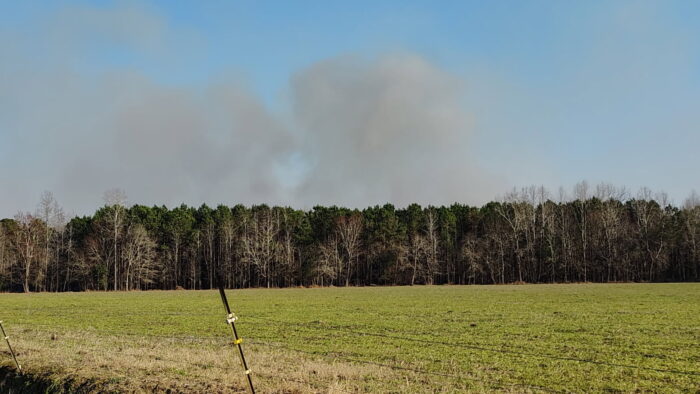
Drought conditions have continued to worsen across the entire region, fueling large wildfires as well as causing headaches for farmers.
According to the U.S. Department of Agriculture, statewide topsoil moisture in agriculture regions was rated 81 percent, or “very short to short” on April 26 in North Carolina.
The designation Very Short means moisture supplies are significantly less than what is required for normal plant development. Growth has been stopped or nearly so and plants are showing visible signs of moisture stress. Under these conditions, plants will quickly suffer irreparable damage.
Seed germination and/or normal crop growth and development will be curtailed, the USDA said in a press release.
The state wildfire situation has improved slightly, according to the N.C. Forest Service. As of today (April 30) 60 fires are being monitored by the NCFS, including the largest fire in the state, the Rosindale fire on the Bladen-Columbus county line. A total of 1,541 acres have been affected, with 740 of that acreage in Rosindale. The fire is considered 80 percent contained, the NCFS said.
Some relief is expected this weekend, as a cold front with steady rainfall moves through the area. One to two inches of rain are possible Friday night through Saturday, according to the National Weather Service.
Meteorologist Christopher Cawley has your detailed daily weather updates on our website.