As temperatures rise, mosquito- and tick-borne illnesses become more common.
The N.C. Department of Health and Human Services is urging North Carolinians to “Fight the Bite” by taking measures to reduce their risk of tick- and mosquito-borne diseases. In 2025, more than 1,000 cases of tick- and mosquito-borne illnesses were reported statewide.
“Ticks and mosquitoes are common across North Carolina, but the diseases they spread can be serious,” said Emily Herring, NCDHHS Public Health Veterinarian. “As the weather warms up and North Carolinians enjoy the outdoors more frequently, we encourage everyone to stay safe by wearing protective clothing, using EPA-approved repellents and always checking for ticks after spending time outside.”
May is Tick and Mosquito Awareness Month and NCDHHS is announcing the return of the “Fight the Bite” campaign to increase awareness about the dangers of vector-borne diseases. Students in grades K-12 are invited to submit educational posters for the annual campaign contest. NCDHHS, local health departments and K-12 schools will use these illustrations to educate residents about measures they can take to protect themselves. Winners will be announced at the end of May on the NCDHHS “Fight the Bite” webpage.
Spotted fever rickettsiosis, Lyme disease and ehrlichiosis are the most common tick-borne diseases in North Carolina, each accounting for about one-third of all reported cases of tick-borne illness in 2025. Symptoms of these diseases can include fever, headache, rashes, flu-like illness and other symptoms that can be severe. These diseases are treatable with antibiotics, and early treatment can prevent severe illness from developing. If you feel ill after you have been bitten by a tick, it is important to see your health care provider as soon as possible.
Ticks live in wooded, grassy and brushy areas, and frequenting these areas can put you in contact with ticks and increase your potential exposure to vector-borne diseases. To reduce exposure to ticks:
- Use an EPA-approved repellent, such as those containing DEET or picaridin, on exposed skin and treat clothing with a pesticide called permethrin (0.5%). Use caution when applying insect repellent to children.
- Check yourself and your children for ticks if you have been in a tick habitat and remove them promptly.
- Reduce tick habitats around your house with selective landscaping techniques such as pruning shrubs and bushes, removing leaf litter and keeping grass cut short.
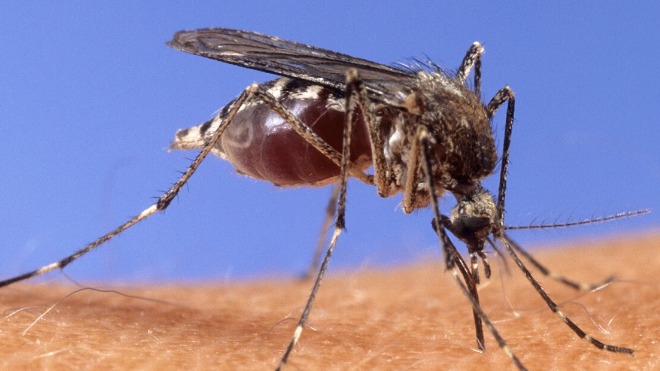
The mosquito-borne diseases most often acquired in North Carolina are caused by West Nile virus, eastern equine encephalitis virus and La Crosse virus.
While most people infected with these viruses will not develop any symptoms, some people will experience fever and flu-like illness, and a small number of people will develop severe disease, including inflammation of the brain. Most reported mosquito-borne diseases in North Carolina — including cases of malaria, dengue, chikungunya, and Zika — are acquired while traveling outside the continental United States.
The best way to protect yourself from these diseases is to prevent mosquito bites:
- Use an EPA-approved mosquito repellent, such as those containing DEET or picaridin, when outside. Use caution when applying to children.
- Consider treating clothing and gear (such as boots, pants, socks and tents) with 0.5% permethrin.
- Install or repair screens on windows and doors and use air conditioning if possible.
- “Tip and Toss” to reduce mosquito breeding: empty standing water from flowerpots, gutters, buckets, pool covers, pet water dishes, discarded tires and birdbaths at least once a week.
- Talk with your primary care provider or local health department if you plan to travel to an area where exotic mosquito-borne diseases occur and always check your destination to identify appropriate prevention methods, including vaccines.
For more information on tick- and mosquito-borne diseases in North Carolina, please visit the NCDHHS Vector-Borne Diseases webpage.