
The legislature and Governor Josh Stein have an opportunity to avoid making the same mistake twice.
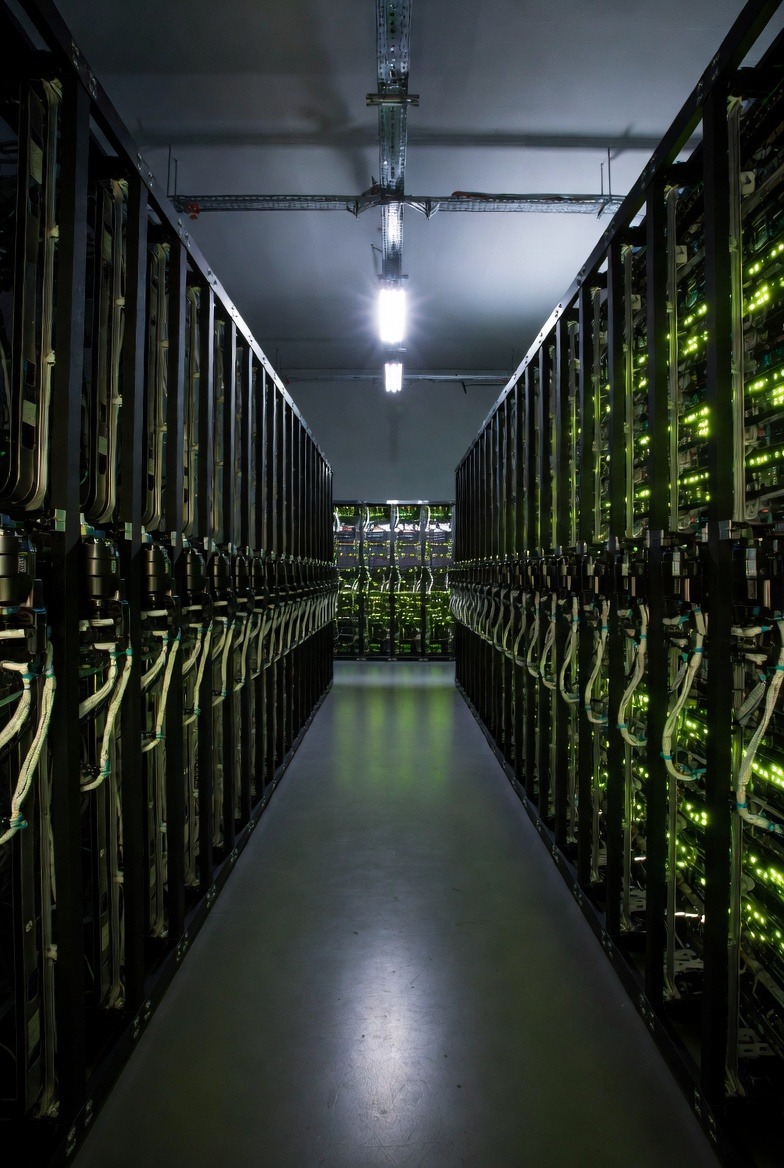
The newest industry feeding off of tax dollars is the boom in data centers. As technology embraces more and more artificial intelligence and cloud storage expands, data centers are needed to house hundreds and thousands of computer banks that store and maintain data ranging from complex communication operating systems to the calendar in your smart phone (and even creating the image used to illustrate this commentary).
North Carolina initially embraced data centers, back in 2006 and then in 2015. After all, the Tar Heel state has been trying to replace tobacco and textiles with tech since the establishment of the Research Triangle Park more than a half-century ago. In some cases it’s worked; look at the hundreds of jobs created via cooperative agreements between private business and government in Whiteville, where the Provalus facility continues to expand.
Proponents continue to extol the virtues and the future of data centers, while warning North Carolina will be left behind if the solons deincentivize development here. Billions, and soon trillions of dollars stand to be made in data centers.
But government officials need to haul back on the reins and whoa that mule before the furrows get too deep. It’s a song and dance we have heard before, with solar farms.
Gov. Stein (with whom we disagree on many fiscal issues) makes some very good points with his cautionary request to solons to reconsider how much the taxpayers feed this golden goose. The Dept. of Commerce notes that currently, North Carolina taxpayers forgive $50 million in sales taxes on equipment in data centers. That’s not very much money in government terms, “just” a half a million per county, which should be made up for in resultant revenues if data centers provide jobs.
However, at the current rate of development, that could increase to $450 million per year in less time than it once took to use dial up internet to access an AOL email account. Even from the perspective of the bureaucracy, almost half a billion dollars is a lot of money.
Add to this the million of dollars in breaks some data centers get on their electric bills, which should be enough to anger any Duke Progress Energy customer right now.
Stein and a handful of legislators (both Democrat and Republican) are calling for a slow down, if not a complete stop, to allowing data centers to basically enjoy a free ride.
House Bill 1213, titled “Protect Taxpayers and Consumers,” was filed on April 30 by state Reps. Donnie Loftis, R-Gaston; Bill Ward, R-Pasquotank; and Pricey Harrison, D-Guilford. Data centers would no longer enjoy exemptions from most sales and use taxes, and the facilities would have to pay more of their fair share. That wouldn’t prevent local governments from offering freebies, but that’s an issue for another day.
Data center proponents are using the same strategies as the developers of solar farms: slick, professional representatives lobby local and state governments for permission to permanently destroy farmland and impact local infrastructure, while promising multiple high paying jobs and the collateral benefits of higher employment. To hear some of these sales pitches, thousands of homes and hundreds of retail centers will be built around every data center.
While it’s unlikely data centers will be the environmental disaster wrought by solar farms, it’s good to take a moment and look closer under the hood before the taxpayers are forced to buy another flashy new car that’s going to make everything better, according to the salesman.
Look at the acres and acres of farmland lost to solar farms; then look at the heavy metals leached into the soil, along with the specialized cleaning products that run off into streams and groundwater. Imported components made with slave labor in China, produced with a stew of toxic compounds and chemicals that eventually end up running down the side of those concrete pillars and poisoning land that once grew crops, or could have even supported homes.
All those problems were in exchange for an industry that has to be subsidized by the power companies and the government in order to provide “free” electricity. The utilities have already admitted that some of their proposed rate increases are to help make up for the lack of power produced by solar farms – and guess where that money comes from? Your power bill.
Data centers apparently don’t leak toxic chemicals into the soil, but they do take up ground, and they do require a lot of electricity. The owners of those data centers shouldn’t get a free ride from government or the power companies simply because they are the latest, greatest trend.
As with all tech, the industry is evolving on an almost hourly basis; it would be tragic and irresponsible if the taxpayers were forced to fund power bills and industrial incentives on buildings and equipment that could, in a couple years, be as obsolete as Great-Grandaddy’s tobacco-patch mule.
The governor and solons are correct to call time out and slow down on data centers.
Government’s role in business should be to stay out of business – and it certainly shouldn’t be up to the taxpayers to subsidize private business with no hope of a real return. – JW