
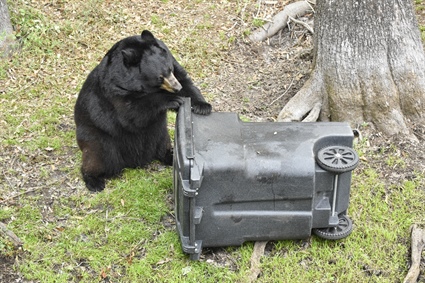
An old standby for protecting gardens may be a useful tool for beekeepers, gardeners and others dealing with bears: electric fencing.
The Wildlife Resources Commission is suggesting the use of electric fences to keep bears away from homes and property. Electric fencing is harmless, the WRC said, but can work when properly installed.
“Creating a negative association with your property helps teach bears to focus on natural areas and food sources,” the WRC said in a press release.
Electric fence wire can be used in a variety of scenarios to discourage bears, including on livestock enclosures, beehives, compost piles, homes and sheds. Electric fencing is the most common application for electrified wire. A five mile charger is generally enough for small areas.
Standard fencing is not effective in keeping bears at bay. Bears climb trees, so a conventional four- or six-foot fence is easy work for a bear to climb. The electrified wire can be turned off if the area needs to be accessed or if pets or children are around. It can also be installed permanently or temporarily, making it a flexible tool.
“I find myself recommending electric fencing more and more to residents, especially to keep bears out of crawlspaces and under decks,” says NCWRC BearWise® Coordinator Ashley Hobbs.
NCWRC is recommending electric fencing throughout the state as a proactive measure to keep bears moving through communities, rather than sticking around if they are able to access human-provided foods.
Specialists are also recommending a new tool for some circumstances – “unwelcome” mat specifically designed for bears.
Electrified unwelcome mats are another form of electrified wire that can be placed on the ground in front of doors, windows and other entryways. It works by shocking the bear’s paws if it approaches the entryway and steps on the mat.
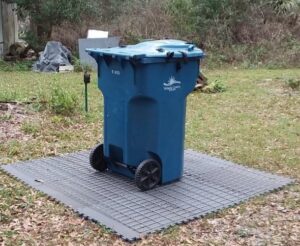
The best part, Hobbs said, is that people can step on the mat with standard, rubber-soled shoes and not get shocked. The electrified unwelcome mats, like any other electrified wire, can simply be turned off when pets or guests are in the area.
One of the most common uses for electric fencing is to keep small livestock safe from bears.
“Bears are quick learners and highly food motivated. Once they discover an easy food source, like a chicken coop, they will come back and visit others,” says NCWRC Black Bear Biologist Jenna Malzahn. “This can be heartbreaking and costly for people and puts bears at risk of harm by food-conditioning bears to humans and livestock.”
Calls about bears killing livestock are most common in the summer and fall months when bears are looking for easily accessible food sources to pack on extra pounds for the winter. Standard coop, pen and barn designs aren’t strong enough to keep out a determined bear. Properly constructed and maintained electric wires around these structures are the best method to keep bears out and keep your animals safe.
To learn more about using electrified wires in bear country, please visit BearWise.org and contact NCWRC’s Wildlife Helpline for assistance at 866.318.2401, Monday-Friday, from 8 a.m. to 5 p.m.